Source Slim Fit Y2k Women Tshirts for Fashion Brands
Source slim fit y2k women tshirts from 30 verified listings. Compare options featuring 100% cotton or polyester blends, crew necks, and silk screen printing. Evaluate fabric weights from 120 to 280 grams and customize logos for your collection; compare the available evidence and request quotations based on your requirements.
Key considerations
Products List
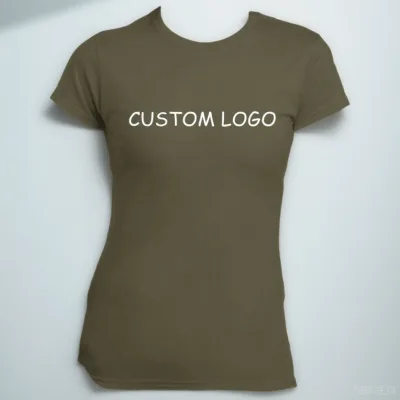
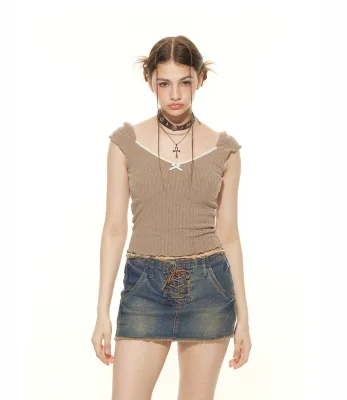
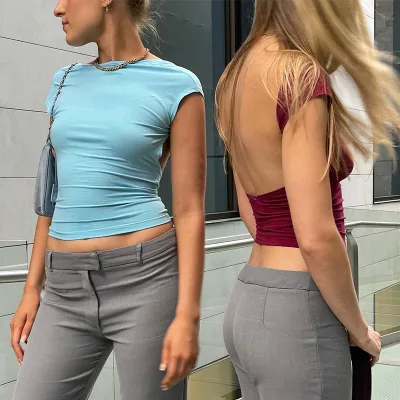
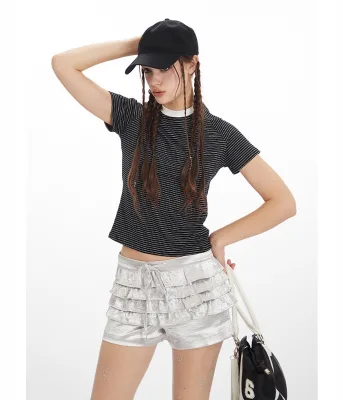


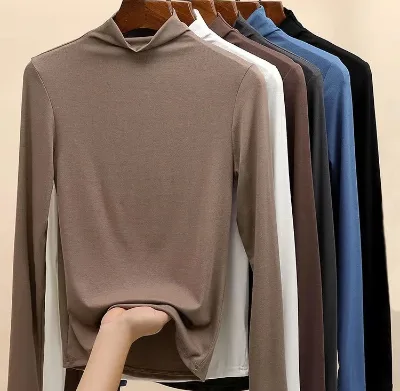

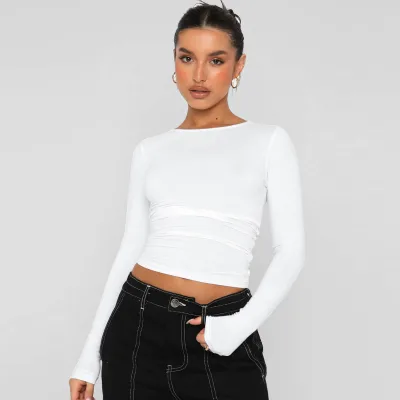
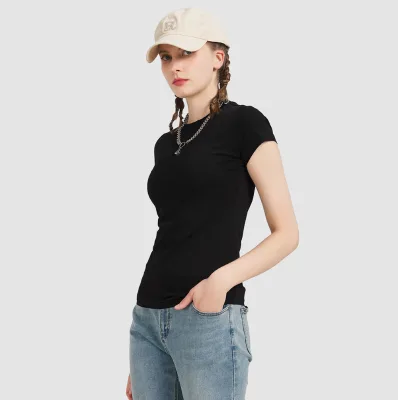
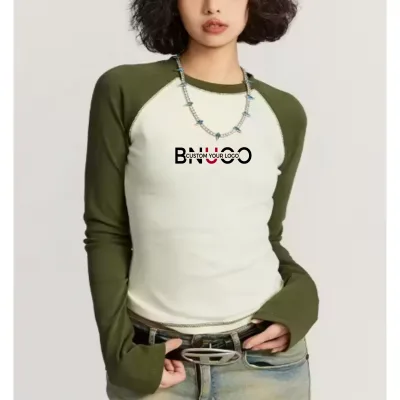


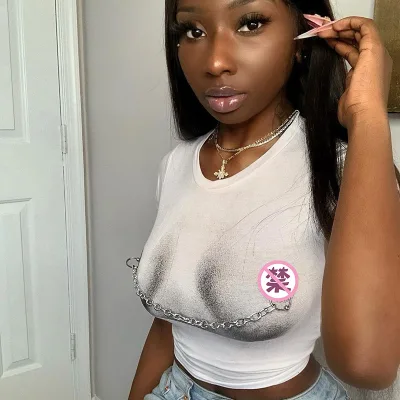


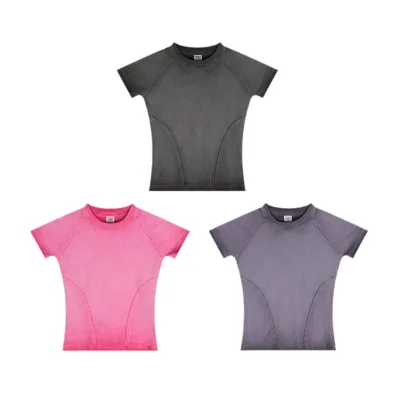


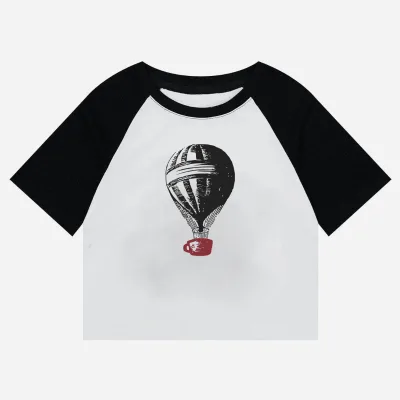
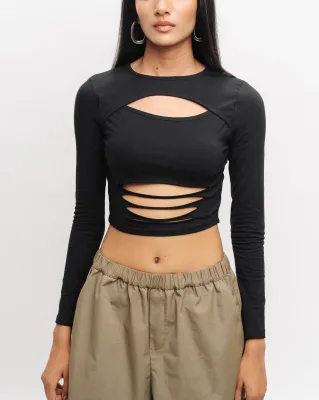

Comprehensive Sourcing Guide
Slim Fit Y2K Women Tshirts Sourcing Guide
Slim fit Y2K women tshirts occupy a distinctive niche at the intersection of fast fashion trends and everyday basics, making them a recurring replenishment category for boutiques, e-commerce resellers, and promotional buyers. The Y2K aesthetic—characterized by playful prints, cropped or regular-length silhouettes, and nostalgic colorways—moves quickly, so buyers need sourcing processes that balance speed to market with consistent garment quality. This guide organizes the key decisions into specification, compliance, cost, and supplier-management workflows.
Because the category blends fashion styling with core T-shirt construction, risk concentrates in fit accuracy, print durability, and fabric weight consistency. A disciplined buyer treats each listing attribute as a claim to verify rather than a guarantee, and builds a repeatable sampling and inspection routine before scaling orders. The sections below walk through that process end to end, from interpreting listing signals to establishing long-term procurement checks that protect margin and brand reputation across successive seasons.
Product Scope and Observed Listing Signals
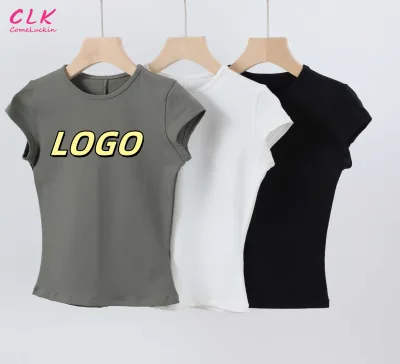
Listings in this category describe women's slim fit T-shirts in a Y2K or cute/casual style, with crew neck or round neck collars, regular short sleeves, and regular clothing length. Pattern types center on prints—often applied via silk screen printing—plus some embroidered designs, and decorations such as printed logos or buttons. Observed color options include black, pink, white, red, gray, green, brown, and mixed color assortments, with sizing typically offered from XS through L. Fabric weights vary notably across listings, from lighter weights around 120–180 grams to heavier 260–280 gram constructions, signaling meaningful differences in drape, opacity, and seasonality.
Buyers should read these signals as a menu of possible configurations rather than a uniform product. One listing may specify 100% cotton knitted fabric for spring/summer wear; another may blend polyester with cotton or spandex for stretch. Model numbers such as ZSSS3919 or YK2E, single package dimensions of roughly 30X20X2 cm, and gross weights near 0.3 kg help with logistics planning but should be confirmed per SKU. Sample order lead times of 7 days are listed as supported for some products and not supported for others, so confirm this before committing to a timeline.
Technical Specifications to Verify
Build a specification sheet that locks down the attributes listings describe loosely. Material composition should be confirmed as 100% cotton, polyester/cotton, or polyester/spandex through fabric test reports or lab analysis, since hand feel, shrinkage, and print adhesion all differ. Fabric weight claims—whether 120, 180, 260, or 280 grams—should be verified with a GSM measurement on received samples, and the knitted fabric type should be checked for consistency across rolls. Confirm whether the listed slim fit matches your target size chart, and obtain graded measurements for XS, S, M, and L rather than trusting size labels alone.
Printing and decoration require equal rigor. Silk screen printing is the dominant listed method, but some listings specify "other" printing techniques, so ask which process applies to your design and request wash-test samples to assess cracking, fading, and peeling. If decoration includes embroidery or buttons, verify stitch density and attachment strength. Also confirm needle detection status—some listings state "no"—and decide whether your market requires metal detection. Finally, check packaging: typical configurations include 1PC per polybag with box options, and the listed single package size of 30X20X2 cm should match your actual sample.
Compliance and Safety Documentation
Do not assume certification status from listing claims such as "eco-friendly" or "breathable." Treat these as marketing attributes and request documentary evidence: fiber composition declarations, and where applicable, restricted substances testing appropriate to your destination market. Ask the supplier which test reports they can supply for the dyed and printed fabrics, including azo dye and formaldehyde considerations relevant to apparel, and verify report authenticity with the issuing laboratory. Because place of origin is listed as Guangdong, China, with some origins specified as Guangzhou, confirm the actual production location for your order, since this affects documentation and origin labeling.
Labeling and consumer-safety requirements deserve a checklist per destination market. Confirm care labels, fiber content labels, and country-of-origin markings meet your market's rules, and align size labeling (XS–L or S–M–L) with local conventions. If you plan to market garments to specific age groups, clarify whether the product is positioned as adult women's wear, since children's apparel carries stricter requirements. Request that compliance documentation reference the exact fabric batch and print design you are ordering, not a generic factory certificate, and re-test whenever the supplier changes fabric mills or printing subcontractors.
Cost Drivers and Commercial Terms
Observed listing prices in this category range from roughly $0.50 to $20, reflecting wide variation in fabric weight, printing complexity, and order volume. Heavier 260–280 gram fabrics and multi-color silk screen prints sit at the top of that band, while lighter basic prints command less. MOQs observed from 2 to 500 units suggest room for small trial orders, but confirm unit pricing at your target volume and ask how price steps change at higher quantities. Note whether customization is marked available, as custom prints typically carry setup charges for screens or embroidery digitizing.
Beyond unit price, negotiate the full commercial envelope. Confirm sample-order lead time explicitly—some listings support 7-day sample turnaround while others do not—and agree on production lead time and shipping terms in writing. Verify packing specifications (1PC/polybag, box option) and the listed single gross weight of about 0.300 kg to calculate freight accurately. Clarify payment terms, what happens on defective or short-shipped goods, and whether the quoted price includes labels, tags, and polybag printing. A written quotation covering these points prevents disputes when volumes scale beyond the first trial order.
Supplier Qualification and Quality Control
Qualify suppliers through evidence rather than listing polish. Verify the stated origin—Guangdong, China, or Guangzhou—and request business documentation and references from buyers with similar women's fashion programs. Assess whether the supplier actually controls the processes your order depends on: knitting or sourcing of the knitted fabric, silk screen printing or alternative print methods, and embroidery if specified. A supplier listing "customization available" should demonstrate a workable process for your artwork, including sample approval before bulk. Start with the smallest viable MOQ to test the relationship before committing larger volumes.
Structure pre-shipment quality control around the specification sheet you built. Inspect incoming samples for GSM consistency against the stated fabric weight, colorfastness of prints, dimensional accuracy of the slim fit across XS–L, and workmanship such as seam strength and collar shape. Use a defined AQL sampling plan appropriate to your order size, and check packaging against the 1PC/polybag and box specification. For repeat orders, retain approved golden samples and require pre-production samples for comparison. Document defects with photos and agree on corrective-action timelines so recurring issues, such as print cracking, are fixed at the root.
Long-Term Procurement Checks
Sustained success in this category depends on managing trend volatility alongside supplier consistency. Review sell-through by colorway and print each season, using the observed palette—black, pink, white, red, gray, green, brown, mixed—to decide which options to repeat and which to retire. Re-confirm fabric weight and composition with each new production run, since mills and knitted fabric sources can change without notice. Track whether 7-day sample support remains available as your relationship matures, and keep an approved spec sheet version-controlled so every reorder references identical measurements and print placements.
Deepen the partnership progressively. As volumes grow, revisit pricing tiers against the observed $0.50–$20 range and negotiate terms that reflect your consolidated orders. Ask the supplier to notify you before changing printing methods, fabric suppliers, or decoration techniques such as moving from print to embroidered patterns. Maintain periodic re-verification of compliance documentation whenever production inputs change, and schedule annual factory requalification if order values justify it. Finally, monitor lead-time reliability and defect trends across orders; a supplier whose on-time rate or quality drifts should be developed or dual-sourced before problems reach your customers.
FAQs
What material is used for these slim fit y2k women tshirts?
The primary material is 100% cotton, though some variants use a polyester and cotton blend. This ensures the fabric remains breathable and eco-friendly for spring and summer seasons. The knitted fabric type provides a comfortable fit while maintaining durability for daily wear.
Which sizes are available for the slim fit y2k women tshirts?
Available sizes include XS, S, M, and L to accommodate various body types. Some listings specifically offer S, M, and L options. The slim fit design ensures a tailored look that aligns with current Y2K fashion trends for women seeking a modern silhouette.
Can I get a sample order within seven days for these tshirts?
Support for seven-day sample order lead times varies by specific product listing. Some suppliers support this quick turnaround, while others do not offer this service. Buyers should verify the specific lead time capability before placing an order to ensure timely delivery.
How is the printing method applied to the slim fit y2k women tshirts?
Silk screen printing is the primary method used for applying designs and logos. Some items may feature embroidered patterns or other decoration types like buttons. The printed technique ensures the graphics remain vibrant and durable through multiple washes for long-term wear.
What is the fabric weight for the slim fit y2k women tshirts?
Fabric weights vary between 120 grams and 280 grams depending on the specific style. Heavier options around 280 grams offer more structure, while lighter 120-gram versions provide breathability. This range allows buyers to select the appropriate weight for their seasonal needs.
Where are the slim fit y2k women tshirts manufactured?
These products originate from Guangdong, China, specifically Guangzhou. The manufacturing location ensures access to established textile supply chains. Buyers can expect consistent quality standards associated with this major production hub for apparel and fashion accessories.
Which customization options are available for the slim fit y2k women tshirts?
Customization is available for many of these t-shirt listings. Buyers can often request specific colors, logos, or packaging configurations. This flexibility allows businesses to tailor the products to their brand identity while maintaining the core slim fit and Y2K aesthetic.